


In the 1950s, physiologist Ancel Keys stood before a congressional committee, his charts damning saturated fats while championing polyunsaturated alternatives. The Seven Countries Study he meticulously crafted showed clear correlations between fat intake and heart disease. His voice carried authority as he recommended replacing butter with seed oils. The food industry listened, flipping the script of American cooking without asking what else might change in the metabolic landscape.
Keys became a dietary prophet, his face gracing magazine covers as he preached the gospel of vegetable oils. Little did he know, his single-minded focus on one villain—saturated fat—would inadvertently crown a new king, flooding modern diets with omega-6 linoleic acid in unprecedented quantities.
What we pursue with conviction often blinds us to the consequences we cannot yet see. The story of seed oils is not about good versus evil, but about the silent shifts that reshape our health with each generation’s dietary dogma.
The Science of Seed Oils
Understanding the Composition of Common Seed Oils
Seed oils like soybean, canola, corn, and sunflower are ubiquitous in modern diets, but their chemical composition reveals why they’re so controversial. These oils are primarily composed of polyunsaturated fatty acids (PUFAs), particularly omega-6 linoleic acid (LA). For example, the composition of common seed oils is as follows:
- Safflower oil contains a staggering 74.6 grams of LA per 100 grams
- Sunflower oil follows closely at 65.7 grams of LA per 100 grams, with minimal omega-3 alpha-linolenic acid (ALA) content of just 0.2 grams per 100 grams
- Soybean oil, a staple in processed foods, packs 50.3 grams of LA per 100 grams and contains 7 grams of ALA per 100 grams
In contrast, their omega-3 alpha-linolenic acid (ALA) content is minimal—sunflower oil has just 0.2 grams, and soybean oil contains a mere 7 grams 1. This imbalance is a red flag because omega-6 and omega-3 fatty acids compete for the same metabolic pathways in the body. When omega-6 intake skyrockets without a proportional increase in omega-3s, it can tip the scales toward inflammation. The processing of these oils further complicates their health implications.
Most seed oils undergo extensive refining, which involves high heat and chemical solvents to extract and stabilize the oil. This process strips away natural antioxidants and can create harmful byproducts like oxidized lipids. However, not all seed oils are created equal in terms of stability.
Refined sunflower oil, for instance, has a high smoke point, making it more resistant to oxidation during high-heat cooking compared to butter or lard. This doesn’t make it a health food, but it does mean that its risks are often exaggerated when used occasionally in home cooking rather than deep-frying 2.
The real issue lies in their overconsumption—Americans now ingest about 17 grams of LA daily, primarily from seed oils, compared to the 6 grams found in natural, unprocessed diets. That’s like swallowing 11 extra capsules of LA every day, a far cry from what our bodies evolved to handle.
Omega-6 to Omega-3 Ratio: Evolution vs. Modern Diets
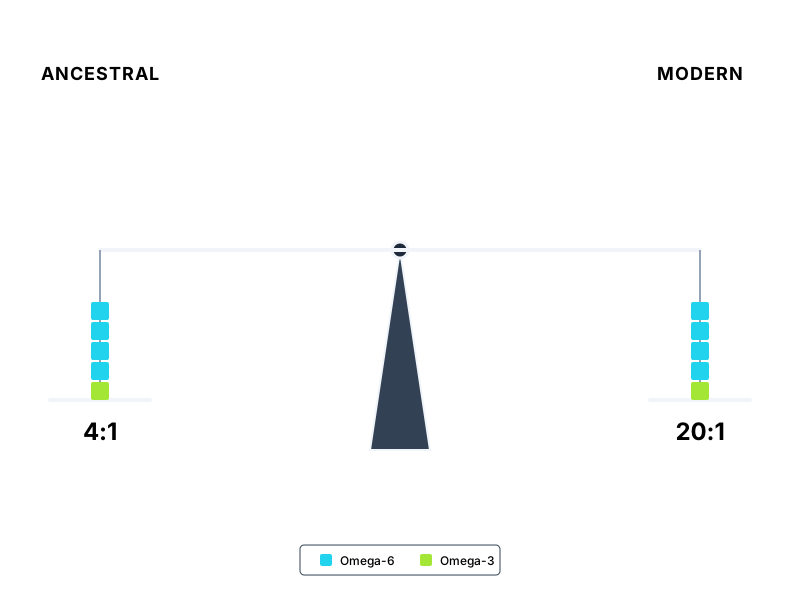
Our ancestors thrived on a diet with a balanced omega-6 to omega-3 ratio, estimated around 4:1. Today, that ratio has ballooned to as high as 20:1, thanks to the proliferation of seed oils in processed foods. This dramatic shift isn’t just a numbers game—it’s a metabolic mismatch with real consequences. Evolutionarily, humans consumed omega-6 and omega-3 fatty acids in a delicate balance, supporting everything from brain function to immune response.
But modern diets, flooded with LA from seed oils, disrupt this equilibrium. The body metabolizes LA into arachidonic acid, a precursor to pro-inflammatory compounds. Without enough omega-3s to counteract this, chronic inflammation can take hold, contributing to conditions like heart disease, obesity, and autoimmune disorders 3. What’s fascinating—and often overlooked—is that this mismatch isn’t inherently “bad” in the way we might assume.
Evolution didn’t optimize us for a specific ratio of fatty acids; it optimized us for survival in environments where infections and physical injuries were far more common than today. A little inflammation wasn’t the enemy—it was a necessary defense mechanism. But in our modern world, where chronic low-grade inflammation is linked to nearly every degenerative disease, the sheer volume of omega-6s from seed oils becomes problematic. It’s not that omega-6s are inherently toxic; it’s that we’re drowning in them without the counterbalancing omega-3s or the physical activity and lifestyle factors that once kept inflammation in check.
The solution isn’t to demonize seed oils entirely but to recognize their role in this larger imbalance. Swapping processed seed oils for whole-food fats like olive oil, avocados, nuts, and fatty fish can help restore a healthier ratio. Even small shifts—like cooking with olive oil instead of soybean oil or snacking on walnuts instead of chips fried in corn oil—can make a difference.
The goal isn’t perfection but a return to a more ancestral balance, one that aligns with how our bodies were designed to function. After all, evolution didn’t prepare us for a world where every packaged snack is a delivery vehicle for omega-6 overload.
What Clinical Trials Reveal
Minnesota Paradox: Corn Oil Lowers Cholesterol, Raises Mortality
The Minnesota Coronary Experiment (MCE) stands as a stark reminder that not all cholesterol-lowering strategies are created equal. This landmark study, conducted between 1968 and 1973, replaced saturated fats with corn oil and corn oil margarine in the diets of over 9,000 participants. The results were paradoxical: while the intervention group saw a significant 13.8% reduction in serum cholesterol compared to the control group’s 1%, this did not translate into better health outcomes 3. In fact, the data revealed a troubling trend—every 30 mg/dL drop in serum cholesterol was associated with a 22% higher risk of death from any cause.
This association was even more pronounced in participants over 65, where the same cholesterol reduction correlated with a 35% increase in mortality. What makes these findings particularly unsettling is that the intervention group also showed no benefit in terms of coronary atherosclerosis or myocardial infarcts. The study’s rigorous postmortem assessments confirmed that, despite lower cholesterol levels, the risk of cardiovascular disease (CVD) remained unchanged or even worsened. The cumulative death rates painted a grim picture: the intervention group had a 17.6% all-cause mortality rate compared to 11.8% in the control group, with similar disparities in cardiovascular and coronary heart disease mortality.

This suggests that the focus on cholesterol alone may overlook other critical factors in heart health. The MCE’s findings challenge the long-held belief that lowering cholesterol through dietary changes inherently reduces CVD risk. Instead, it highlights the complexity of dietary fats and their impact on health.
The study’s emphasis on linoleic acid-rich corn oil, while effective at lowering cholesterol, may have inadvertently tipped the balance toward inflammation and other metabolic disruptions. This paradox underscores the need for a more nuanced understanding of how different types of fats interact within the body, rather than relying solely on cholesterol metrics.
Canola Oil Improves PCOS Insulin Resistance & Triglycerides
While the MCE raised concerns about certain seed oils, not all seed oils are created equal. A study focusing on women with polycystic ovary syndrome (PCOS) revealed that canola oil may offer unexpected metabolic benefits. In this trial, participants were given either sunflower seed oil, olive oil, or canola oil. The results were striking:
- Sunflower seed oil had no significant effect on any metabolic markers
- Olive oil improved fatty liver and insulin resistance
- Canola oil not only improved fatty liver to a similar degree as olive oil but also significantly reduced insulin resistance and lowered triglycerides—something neither of the other oils achieved 4
This study suggests that canola oil’s unique fatty acid profile, which includes a balance of omega-6 and omega-3 fats, may contribute to its metabolic advantages. Unlike sunflower oil, which is high in omega-6 linoleic acid, canola oil contains a more favorable ratio of fatty acids, potentially mitigating some of the inflammatory risks associated with excessive omega-6 intake.
The findings are particularly relevant for individuals with PCOS, a condition often linked to insulin resistance and metabolic dysfunction. However, the study’s short duration and specific population mean these results should be interpreted with caution. The takeaway here is that not all seed oils are inherently harmful.
Canola oil’s performance in this study challenges the blanket demonization of seed oils, suggesting that their health impacts may depend on their specific composition and the context in which they’re consumed. While this doesn’t mean canola oil is a health panacea, it does highlight the importance of looking beyond broad categories and considering the nuances of individual oils.
Margarine’s Trans Fats: A Decade‑Long Heart Risk
The story of Trans fats offers another cautionary tale about the unintended consequences of dietary interventions. Margarine, once hailed as a healthier alternative to butter, became a major source of trans fatty acids in the 20th century. Studies, including the Framingham Study, have shown that margarine intake is linked to an increased risk of coronary heart disease (CHD), but with a twist: the risk isn’t immediate. Data from the Framingham Study revealed that the association between margarine consumption and CHD became apparent only in the second half of the 21-year follow-up period.
This latency period suggests that the harmful effects of trans fats accumulate over time, underscoring the importance of long-term dietary patterns. The Framingham Study’s findings align with broader research showing that trans fats increase LDL cholesterol while lowering HDL cholesterol, creating a perfect storm for cardiovascular risk. The lesson here is that dietary changes can have delayed consequences, and what seems benign or even beneficial in the short term may prove harmful decades later.
The trans fat saga also serves as a reminder of the dangers of over-simplifying dietary advice. Margarine was initially promoted as a heart-healthy alternative to butter, but its high trans fat content ultimately made it a worse choice.
This history highlights the need for rigorous, long-term studies before making sweeping dietary recommendations. It’s a lesson that applies equally to the current debate over seed oils—what works in theory or in short-term trials may not hold up under the scrutiny of real-world, long-term outcomes.
Processing Matters More Than Type
Hexane vs. Cold-Pressed Oils: Safety and Benefits
Let’s talk about hexane—the industrial solvent that’s become a boogeyman in the seed oil debate. Yes, it’s used to extract oil from seeds like soybeans and canola, and yes, it’s a neurotoxin in high doses. But here’s the thing: Europe, with its famously strict food safety regulations, has already crunched the numbers on hexane residue. The amounts left in your oil are so minuscule they’re measured in parts per million—think of it like inhaling a stray uranium atom from the cosmic background radiation of the universe.
It’s there, but it’s not doing anything. That said, if hexane still gives you the heebie-jeebies, cold-pressed oils are your jam. These oils are extracted mechanically, without heat or chemicals, preserving more nutrients and antioxidants. But don’t assume “cold-pressed” automatically means “health halo.” Even these oils can go rancid if stored improperly, and their smoke points are lower, making them less ideal for high-heat cooking.
The real kicker? Cold-pressed oils are often pricier, and their delicate flavors might not suit every dish. So while they’re a great option for drizzling over salads or finishing dishes, they’re not a magic bullet. The bigger picture here is processing.
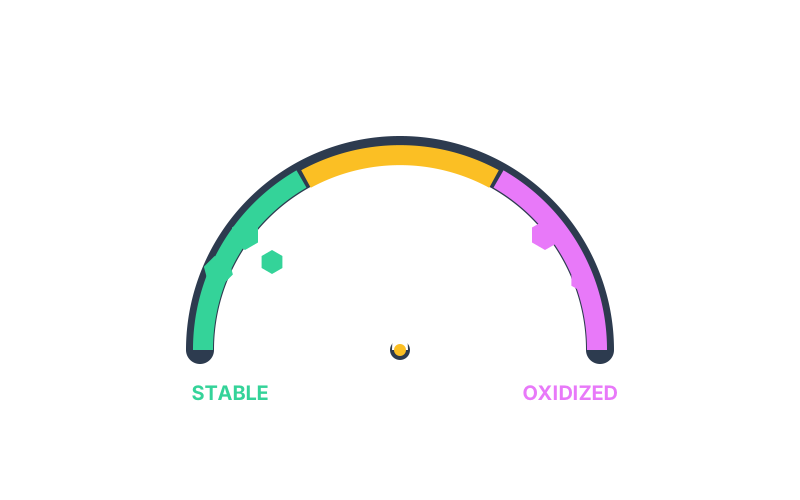
Industrial seed oils aren’t just extracted with solvents—they’re also deodorized, bleached, and stripped of their natural antioxidants to extend shelf life. This refining process can create oxidized byproducts, which are a legitimate concern.
But here’s the twist: even cold-pressed oils can oxidize if you heat them past their smoke point or store them in clear bottles on a sunny counter. The enemy isn’t just the method—it’s mismanagement.
The Hidden Dangers of Deep-Fried Seed Oils
Now, let’s talk about the elephant in the kitchen: deep-frying. When seed oils are heated to high temperatures—especially repeatedly—they undergo chemical changes that turn them into inflammatory landmines. Trans fats form, lipid peroxides proliferate, and the oil’s molecular structure starts resembling a toxic waste dump more than a food 2. Studies link frequent consumption of deep-fried foods (often cooked in seed oils) to cardiovascular disease, and the evidence isn’t just correlational—it’s mechanistic.
Oxidized linoleic acid metabolites (OXLAMs) from these oils have been found in atherosclerotic plaques, where they wreak havoc on your arteries. But here’s the nuance: not all high-heat cooking is created equal. If you’re occasionally pan-frying an egg in canola oil at medium heat, you’re not signing a death warrant. The real damage happens in commercial deep fryers, where oil is reheated for days, topped up with fresh oil, and subjected to a constant barrage of breaded chicken and french fries.
Even then, many commercial kitchens now use antioxidant additives to mitigate some of the harm—but let’s be real, that’s like putting a Band-Aid on a bullet wound. The takeaway? Context matters.
Seed oils aren’t inherently evil, but their industrial processing and misuse in deep-frying turn them into a health hazard. If you’re using high-quality canola oil to sauté veggies or drizzle over a dish, you’re likely fine.
But if you’re eating deep-fried foods daily, you’re playing with fire—literally. The solution isn’t to banish seed oils entirely but to treat them like what they are: a processed food that demands respect, not recklessness.
Practical Recommendations
Healthy Seed Oils: Balance Omega‑3s & Use Moderate Heat
Let’s cut through the noise: seed oils aren’t inherently toxic, but their health impact hinges on how you use them. Take canola oil, for example. It’s often demonized as an industrial Franken-fat, but clinical trials tell a different story. In studies comparing canola, olive, and sunflower oils, canola held its own—improving fatty liver, insulin resistance, and triglycerides in ways olive oil couldn’t 4.
That’s not just a fluke; it’s a pattern. Canola’s fatty acid profile—lower in omega-6 linoleic acid (LA) than sunflower or soybean oil, with a decent omega-3 alpha-linolenic acid (ALA) kick—makes it a more balanced player. But here’s the catch: canola’s benefits shine when it’s part of a diet that already prioritizes omega-3s. If you’re drowning in LA from processed foods but skimp on fatty fish or flaxseeds, swapping to canola won’t magically fix your omega-6:omega-3 ratio.
The real win comes from pairing it with intentional omega-3 sources—think salmon, walnuts, or algae-based supplements—to hit that sweet spot of a 4:1 omega-6 to omega-3 ratio. And let’s talk heat. Seed oils like canola and sunflower have high smoke points, making them safer for sautéing or light frying than, say, extra-virgin olive oil (which degrades into a bitter, oxidized mess at high temps). But “safer” doesn’t mean invincible.
Reusing oil for deep-frying? That’s where the trouble starts. Oxidized byproducts like OXLAMs form, and those are linked to arterial inflammation 1. So yes, seed oils can be healthy—if you’re using them fresh, at moderate heat, and in a diet that doesn’t already tilt toward omega-6 overload.
affordability and shelf stability are underrated perks. Canola oil is cheap, lasts forever, and won’t go rancid in your pantry like a delicate flaxseed oil. For home cooks, that’s a practical win. The hexane extraction debate?
Overblown. Residual levels in refined oils are negligible—Europe’s food safety agencies have crunched the numbers and given it a pass 2. If you’re still squeamish, cold-pressed canola exists, though it’s pricier and less stable. The bigger issue isn’t the extraction method; it’s the context.
Swapping lard or butter for canola in baking? That’s a step up, especially if you’re battling insulin resistance.
But slathering canola-mayonnaise on a white-bread sandwich? Now you’re stacking refined carbs with PUFA-heavy fats—a metabolic double whammy we’ll tackle next.
Understanding the Fat-Carb Connection: Why Butter on Bagels Is Worse
Here’s a hard truth: the villain isn’t seed oils or butter—it’s what you pair them with. Slather butter on a bagel, and you’re feeding a metabolic wildfire. Why? Because refined starches and sugars spike insulin, while fats (especially saturated fats) amplify the inflammatory response.
It’s a synergistic disaster. Dr. Mark Hyman nails it: “Your body can’t tell the difference between a bowl of sugar and a bagel.” Both trigger rapid glucose surges, and when you add fat—whether it’s butter, seed oil, or lard—you’re doubling down on the damage 5. But here’s the twist: fat on its own isn’t the enemy. Put that same pat of butter on steamed broccoli or a grass-fed steak, and the story changes.
The fiber in veggies or the protein in meat slows digestion, blunting insulin spikes. Even seed oils behave differently in this context. A drizzle of sunflower oil on a salad? Fine.
Deep-fried oreos? Not fine. The problem isn’t the fat source—it’s the combination of fat with hyper-processed carbs. Americans eat 152 pounds of sugar and 133 pounds of flour annually.
That’s not just “a little indulgence”; it’s a pharmacological dose of metabolic stress 5. So before you demonize seed oils, ask: What am I eating them with? A handful of almonds fried in canola oil?
Better than a donut fried in coconut oil. Context is everything.
Optimizing Your Fat Intake: Olive and Canola Oils Lead the Way

Let’s rank fats like a tier list, because not all are created equal. Tier 1: Olive and canola oils. Both are rich in monounsaturated fats (MUFAs), which support heart health and stability. Olive oil wins for antioxidants, but canola’s omega-3 content and affordability make it a strong contender—especially for high-heat cooking. Tier 2: Other seed oils (sunflower, soybean, corn). These are higher in omega-6 LA, so they’re fine in moderation if you’re balancing omega-3s, but they’re not optimal for daily use. Tier 3: Saturated fats (butter, lard, coconut oil). They’re stable for cooking but linked to LDL cholesterol spikes when overconsumed.
Tier 4: Trans fats. Just don’t. Even trace amounts in margarine or fried foods are a hard pass. The ideal fat breakdown?
Aim for:
- 50% MUFAs (olive oil, canola, nuts)
- 25% PUFAs (with a 4:1 omega-6 to omega-3 ratio)
- 25% saturated fats
This isn’t about perfection—it’s about proportion. Swap your deep-fryer habit for air-frying with olive oil.
Use canola for stir-fries but finish dishes with extra-virgin olive oil. And for the love of all things metabolic, stop fearing fats in isolation.
The real enemy is the combo platter of refined carbs, oxidized oils, and sedentary lifestyles. Fix that, and seed oils become just another tool in your kitchen—not a scapegoat.
Conclusion
The seed oil story isn’t about good versus evil, but about context and balance. While industrial processing and excessive omega-6 intake from processed foods do pose genuine health risks, properly sourced and used seed oils can certainly have a place in a balanced diet. The real villain might not be the oil itself, but how we’ve weaponized it in deep-frying and combined it with refined carbohydrates that create a perfect metabolic storm.
History teaches us that dietary dogma often oversimplifies complex nutritional truths, as we saw with Ancel Keys’ focus on cholesterol that overlooked the bigger picture. Clinical trials reveal that not all seed oils are created equal—canola oil has shown benefits for insulin resistance, while corn oil in the Minnesota study demonstrated that lowering cholesterol doesn’t guarantee better health outcomes.
Ultimately, the path forward requires moving beyond black-and-white thinking. Focus first on eliminating the most problematic combinations—refined carbs with oxidized fats—and then strategically incorporate a variety of whole-food fats while maintaining that crucial omega-6 to omega-3 balance. In nutrition as in life, the dose makes the poison, and wisdom lies not in elimination but in thoughtful integration.
As Dr. Mike wisely notes,“The oil didn’t make us sick; the system that surrounds it did.” Explore more nuanced perspectives on nutrition and health by browsing our other posts on the science of fats and metabolic wellness.
Footnotes
-
Ramsden, C.E… et al. Re-evaluation f the traditional diet-heart hypothesis: analysis of recovered data from Minnesota Coronary Experiment (1968-73). BMJ, 2016. 353: p. i1246. ↩ ↩2
-
Ramsden, C.E., et al., Use of dietary linoleic acid for secondary prevention O coronary heart disease and death: evaluation of recovered ata from the Sydney Diet Heart Study and updated meta-analysis. BMJ, 2013. 346: p. e8707; ↩ ↩2
-
The Truth About Seed Oils | Dr. Mark Hyman & Dr. Andrew Huberman ↩ ↩2

