Why Cheap Junk Food Costs a Fortune in Medical Bills
Saving money on cheap food today guarantees massive healthcare costs tomorrow. Discover why highly processed foods bankrupt you and how to eat for your future.
We walk down the aisles of our local supermarkets surrounded by an astonishing abundance of choices, but our eyes inevitably drift toward the price tags. I believe we have been conditioned to see food as a simple commodity, a line item on our weekly spreadsheet that we must aggressively minimize. This relentless pursuit of the cheapest possible calories creates the illusion of a bargain, trapping us in a cycle of immediate gratification that silently mortgages our biological future.
Our human brains are spectacularly ill-equipped to handle the delayed consequences of our everyday actions. We harbor a deeply ingrained cognitive bias that makes us heavily discount future outcomes in favor of instant, visceral rewards. When faced with the choice between a heavily processed, artificially cheap snack today and the abstract promise of a healthy heart twenty years from now, the immediate reward almost always wins.
This psychological blind spot makes it remarkably difficult for us to engage in any meaningful future-oriented thinking when we feel tired, stressed, or hungry. Public health campaigns fail because long-term health warnings simply cannot compete with the salty, sugary bliss point engineered into cheap foods. We sacrifice our future vitality for a few dollars in momentary savings, completely unaware of the staggering invoice waiting for us at the end of the line.
Overcoming Our Most Dangerous Cognitive Biases
The science of human behavior confirms this tragic misalignment of priorities time and time again. Researchers consistently find that a greater ability to exercise delayed gratification is strongly linked to a decreased consumption of fast food. Conversely, individuals who naturally seek smaller, immediate rewards find themselves drawn to palatable but profoundly unhealthy foods, setting the stage for a lifetime of metabolic dysfunction.
This dynamic forces us to reckon with the reality that saving money at the checkout counter is often an exercise in profound short-term thinking. We think we are being fiscally responsible by buying the cheapest bulk items available, but we are merely delaying payment. The money we desperately try to save on groceries today will eventually be extracted from us, with steep interest, through inevitable medical bills.
The Economics of the Plate
Rethinking the True Cost of Calories
I often hear people argue that eating well is simply a privilege they cannot possibly afford. The perceived financial burden of prioritizing fresh produce and high-quality proteins over highly processed alternatives feels insurmountable to families struggling to make ends meet. However, the financial implications of choosing cheap food over nutritious options extend far beyond that initial, deceptively low grocery receipt.
To understand this illusion, we must examine how we actually measure the true price of our sustenance. If we strictly look at the cost per calorie, highly processed junk food undeniably wins the race to the bottom 1. However, when researchers analyze the cost based on the actual nutrient value provided per portion, whole foods like beans, sweet potatoes, and dark leafy greens emerge as remarkably less expensive options. We have been using the wrong metric to determine value, completely ignoring the biological utility of the food we consume.
Shifting Budgets From Groceries to Healthcare
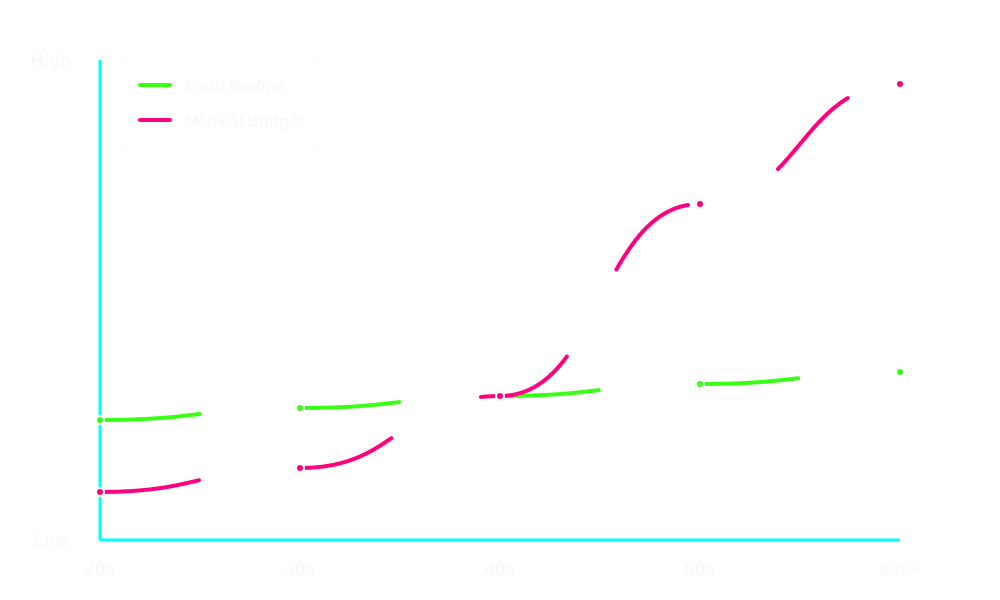
What appears to be a shrewd financial strategy in your twenties and thirties slowly morphs into a catastrophic economic liability in your fifties and sixties. This predictable trade-off practically guarantees a drastic shift from a lower food budget in youth to an astronomically higher healthcare budget in old age. We are not actually saving capital; we are simply transferring our wealth from the agricultural sector directly to the pharmaceutical industry.
Once we shift our perspective from immediate calorie counting to lifelong cellular maintenance, the math changes entirely. I firmly believe that investing in nutritious food is the single most reliable retirement plan a person can possess. A diet rich in essential vitamins and minerals generates significant long-term savings by keeping us out of the hospital and securely in the workforce.
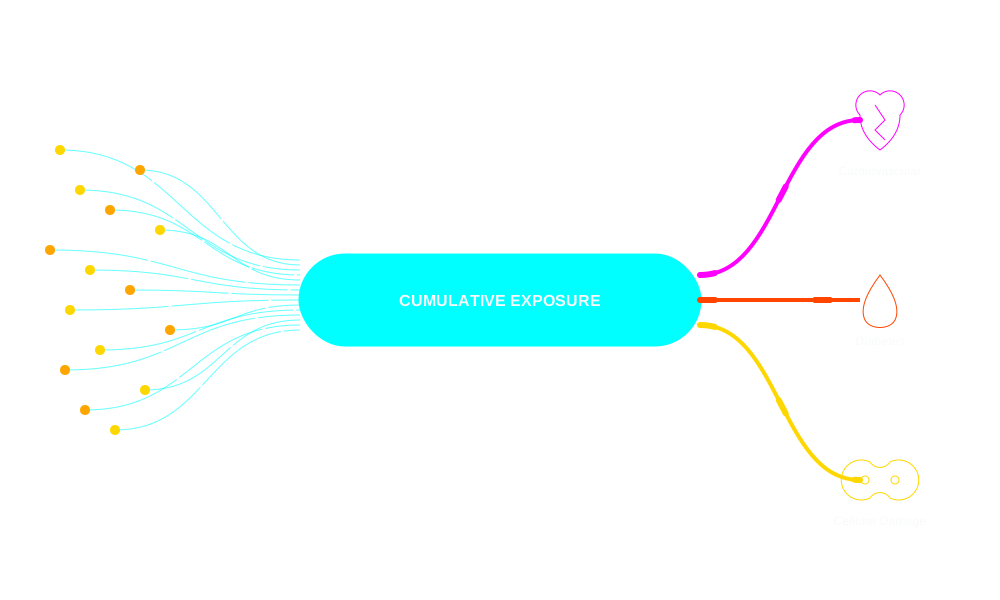
The body keeps a meticulous ledger of every cheap, synthetic ingredient we ingest over the decades. The relationship between our dietary habits and our physical decline is fundamentally a matter of long-term exposure. The cumulative effect of eating poorly day after day becomes the primary catalyst for the eventual development of these conditions.
The Cumulative Toll of Diet-Related Illnesses
Tracing the Slow Rise of Chronic Disease
Our modern medical system is currently buckling under the weight of conditions that are entirely driven by lifestyle choices. Unhealthy eating patterns stand as the primary risk factor for a terrifying array of diet-related chronic diseases, slowly eroding our collective vitality. We are witnessing an absolute explosion of cardiovascular diseases, type 2 diabetes, and various cancers that track perfectly with the rise of the ultra-processed diet.
We must recognize that a heart attack or a diabetes diagnosis does not happen overnight. These devastating events are the logical conclusion of a cumulative effect built upon thousands of tiny, seemingly inconsequential choices. Every cheap meal consumed over months and years adds another brick to the heavy foundation of our future ailments.
Understanding the Danger of Highly Processed Foods
The specific ingredients causing this widespread cellular damage are neither mysterious nor hidden from public view. Diets packed with highly processed meats and refined carbohydrates act as a slow-acting poison, driving systemic inflammation and metabolic chaos. Meanwhile, our tragic failure to consume adequate amounts of fruits and vegetables, alongside nuts and seeds, leaves our immune systems entirely defenseless against these internal attacks.
The scientific literature leaves absolutely no room for ambiguity on this particular subject. Countless studies prove that a balanced intake of whole grains, lean proteins, and healthy fats is essential to prevent the onset of various chronic illnesses2. Global health authorities consistently emphasize that maintaining a healthy dietary pattern is the most critical weapon we have in the fight against non-communicable diseases.
For those already trapped in this biological downward spiral, the situation requires immediate and aggressive intervention. Modifying these unhealthy dietary patterns by eliminating refined sugars and saturated fats is absolutely crucial for regaining metabolic control. By adopting a Mediterranean-style diet, patients can drastically reduce chronic inflammation and alter the terrifying trajectory of their decline 2.
The Staggering Price of Treatment
Examining the Direct Medical Costs of Sickness
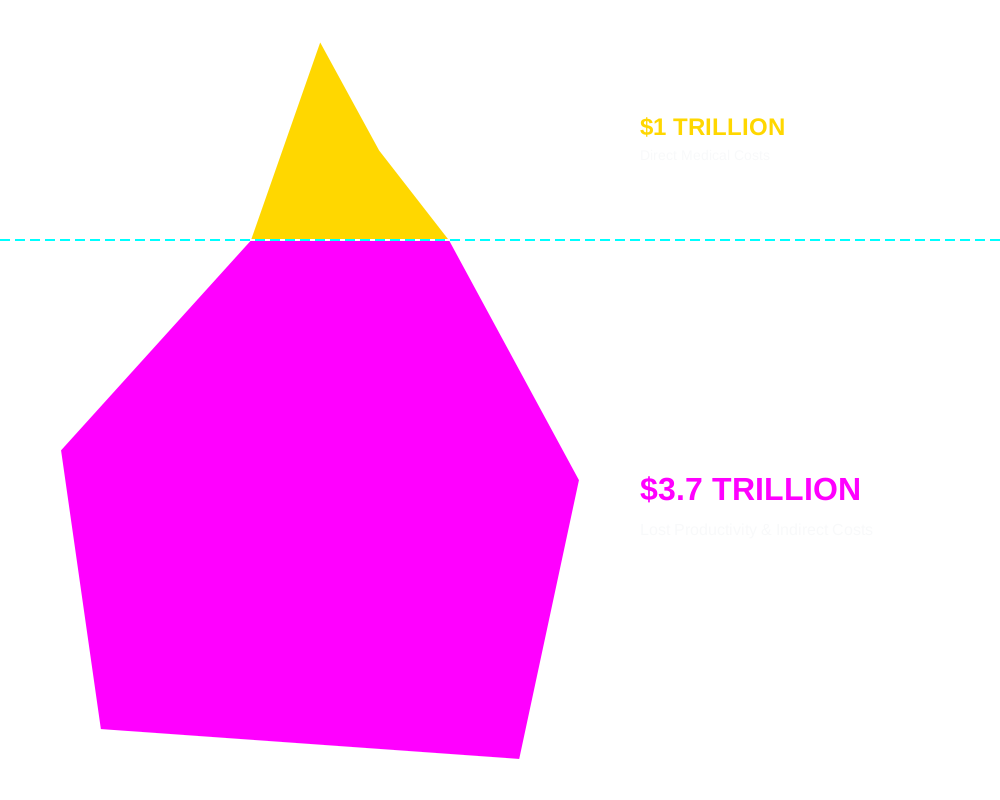
If you want to understand the true cost of cheap food, you only need to look at the terrifying ledgers of our medical system. The United States currently sets fire to approximately one trillion dollars annually just to treat conditions directly caused by poor nutrition 3. This means that unhealthy eating habits account for nearly twenty percent of all U.S. healthcare expenditures related to heart disease, stroke, and diabetes.
On a personal level, this macro-economic disaster translates into quiet, inescapable individual financial ruin. A healthy individual without any chronic conditions might spend roughly six thousand dollars a year on routine medical care. However, once a person develops three to four diet-related illnesses, their annual medical expenses violently skyrocket to twenty-five thousand dollars 1.
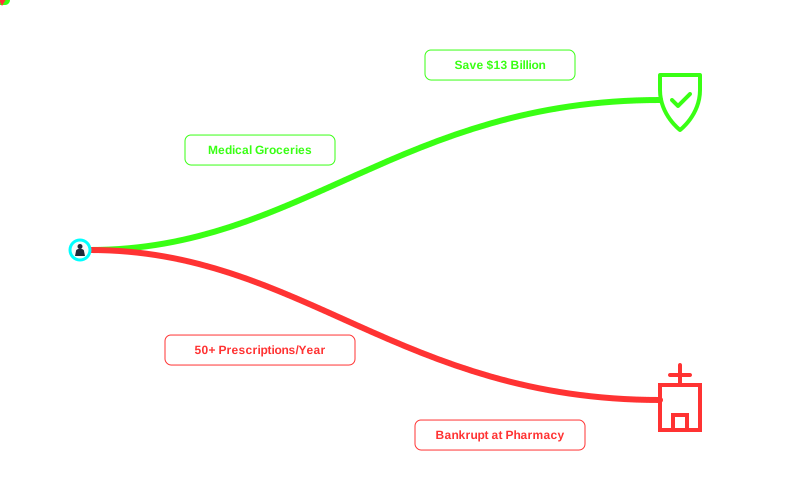
The daily reality of managing this decline involves an endless parade of copays, specialist visits, and draining therapies. Patients with multiple ailments face exponentially higher costs due to frequent hospitalizations and a dramatically increased reliance on prescription drug use4. A person with zero conditions might take one prescription a year, while someone with five or more chronic illnesses requires over fifty different medications annually 4.
Uncovering the Hidden Burden of Lost Productivity
These direct medical costs are only the visible tip of a much larger, more destructive financial iceberg. When we factor in the insidious indirect costs of lost productivity, the total economic burden of chronic disease in America reaches a mind-numbing 3.7 trillion dollars annually. This staggering figure represents nearly twenty percent of the nation’s entire gross domestic product being sacrificed on the altar of poor health.
Chronic sickness steals our money, but it also fundamentally destroys our capacity to generate future wealth. Individuals suffering from these ailments face devastating indirect costs, primarily stemming from lost education and job opportunities as their physical capabilities inevitably diminish. As disease takes hold, labor force participation plummets, stripping people of their independence and entrenching them in a cycle of poverty.
The burden of care rarely falls on the patient alone; it ripples outward to decimate entire families. Relatives are frequently forced to step away from their own careers to provide necessary support, compounding the severe economic consequences of the initial illness. In this way, the cheap calories consumed decades ago can literally dictate a family’s financial mobility for generations.
Food as the Ultimate Medicine
Prescribing Nutrition to Heal the Human Body
We cannot drug our way out of a crisis that we fundamentally ate our way into. True healing requires us to embrace rigorous preventive medicine, utilizing targeted dietary interventions to repair the metabolic foundations of our bodies. Medical nutrition therapy is not just alternative holistic nonsense; it is the absolute most economically viable healthcare strategy we have left on the table.
Fortunately, a radical paradigm shift is beginning to take root within the most forward-thinking sectors of the healthcare industry. The emerging Food is Medicine movement treats high-quality nutrition not as a luxury, but as a critical medical intervention capable of reversing disease. By providing vulnerable patients with medically tailored groceries, doctors are witnessing miraculous improvements in patient vitality and massive reductions in emergency room visits.
Generating Massive Savings Through Medical Groceries
The economic results of these nutritional experiments are nothing short of breathtaking for anyone paying attention. Researchers from Tufts University calculate that implementing these exact programs on a national scale could avert six million hospitalizations annually. Furthermore, such an initiative would generate a massive net cost savings of over thirteen billion dollars in a single year, even after accounting for the price of the food itself.
This logic applies seamlessly to some of our most devastating and mathematically expensive chronic conditions. Simply offering produce prescriptions to patients suffering from diabetes could theoretically prevent nearly three hundred thousand cardiovascular events3. The choice is brilliantly clear: we can subsidize the farm today, or we can bankrupt ourselves at the pharmacy tomorrow.
Reprogramming Our Future
Implementing Smart Strategies for Affordable Healthy Eating
Understanding the math is easy, but changing our daily behavior requires a fundamental rewiring of how we perceive value. We must begin the difficult work of overcoming cognitive biases that stubbornly keep us chained to the dollar menu. This demands a conscious effort to visualize our future selves every single time we make a purchasing decision in the grocery aisle.
If you are fortunate enough to have a choice, I urge you to start viewing your grocery bill as a proactive strategy for budgeting for health. Simple habits like planning meals ahead of time to reduce food waste and relying on store brands can drastically lower the cost of eating well. Purchasing seasonal produce further protects your wallet while ensuring you receive a wide spectrum of essential vitamins 1.
Navigating the Challenges of Systemic Food Insecurity
This cannot be merely an individual burden; we desperately need a massive societal shift in how we price and distribute sustenance. We require deep structural changes that tax the ultra-processed garbage driving our sickness, while heavily subsidizing the whole foods that keep us vibrant. Until the absolute cheapest option is also the healthiest option, millions of people will remain trapped in this financially ruinous dietary maze.
We must also confront the grim reality that not everyone has the luxury of choosing delayed gratification over immediate survival. Food insecurity forces countless vulnerable populations into toxic diets simply because they have absolutely no other affordable alternatives. Addressing these fundamental social determinants is an absolute prerequisite for healing our communities and stabilizing our broader healthcare economy 2.
The Final Ledger
We can no longer pretend that our daily dietary choices exist isolated from our long-term economic survival. The financial implications of our cultural obsession with cheap, unhealthy food have reached a breaking point that threatens to collapse our entire medical infrastructure. We are trading our vitality for convenience, and the resulting bill is rapidly coming due.
To break this cycle, we must reject the false economy of the modern supermarket. We have to violently push back against the urge for immediate gratification and make the difficult, brilliant choice to reclaim our future. It requires discipline, perspective, and a profound respect for the biological machinery that carries us through this life.
The next time you find yourself weighing the price of a nutritious meal against a cheaper, processed alternative, pause and calculate the true cost. You are paying either the farmer or the physician, but you will inevitably pay. Health is our ultimate currency, and we are either feeding our vitality or quietly funding our own inevitable decline.
We use limited cookie-free measurement to understand overall traffic. Allow analytics cookies to help us recognize returning visits and learn which essays and paths serve readers best. You can change this choice at any time.




Responses